The Musical Characteristics of Country Music
The Musical Characteristics of Country Music
What’s the musical characteristics of
country music?

The musical characteristics of country
music are based on simple
melodies, storytelling
lyrics and
steady rhythms that reflect everyday
life. It usually uses major
keys with clear
harmonies, but minor or modal chords may appear to express sadness or nostalgia.
The most common progressions are
I–IV–V /
I–V–VI–IV,
giving country songs a familiar and
easy-to-follow sound.
Rhythm in country music is regular and driving, often in 4/4 with a clear backbeat from the snare drum. Waltz time, 3/4, is also used in traditional ballads.
The guitar
strumming or picking patterns keep a strong pulse, while the bass
plays steady root–fifth
movements to support the harmony.
Instrumentation is one of the most
defining features. Acoustic and electric guitars, banjo,
fiddle,
mandolin
and pedal
steel guitar are key instruments. In modern styles, drums
and keyboards
are added for a fuller
sound. The pedal steel guitar gives the smooth, sliding tone that is instantly
recognisable in country music. Vocals are usually clear and expressive, sometimes
with a Southern twang or nasal tone, and harmonies are often
used in the chorus to create warmth
and unity.
Melody in country songs tends to be simple, singable and emotional. Guitar
and fiddle
often add short fills between vocal phrases, using the major pentatonic scale or slides and hammer-ons for colour.
The texture is normally melody and accompaniment, with a lead vocal supported by rhythm guitar,
bass
and drums. Solos are short, melodic and linked to the
song’s theme.
Lyrics are personal
and story-driven,
focusing on love, heartbreak, family, work or travel. They are often written in
plain, conversational language, which makes them relatable and memorable.
Vocal techniques include slides, bends and yodelling. The singing style
focuses on emotion and storytelling rather than vocal power or complexity.
Improvisation is limited, though instrumentalists often add small variations or
fills to keep the sound fresh.
Three Major Subgenres
Within the history of country music,
three major subgenres are honky-tonk, bluegrass and country pop.
.jpg)
Honky-tonk developed in the 1940s and 1950s in Southern bars and dance halls. It used electric guitar, piano, bass and drums, with a lively rhythm that encouraged dancing. The lyrics often explored heartbreak, drinking and working-class life. A Boy Named Sue by Johnny Cash is a good example of this style. The song combines humour and storytelling with a strong rhythmic drive, using spoken-sung lyrics that fit the honky-tonk tradition of direct, personal tales. Cash’s deep voice and guitar rhythm create a steady, grounded feel that reflects his outlaw country image.

is a classic bluegrass song, featuring energetic banjo picking, tight harmonies and a strong rhythmic pulse. The song’s light-hearted tone and lively tempo show the joyful and virtuosic character of the bluegrass style.
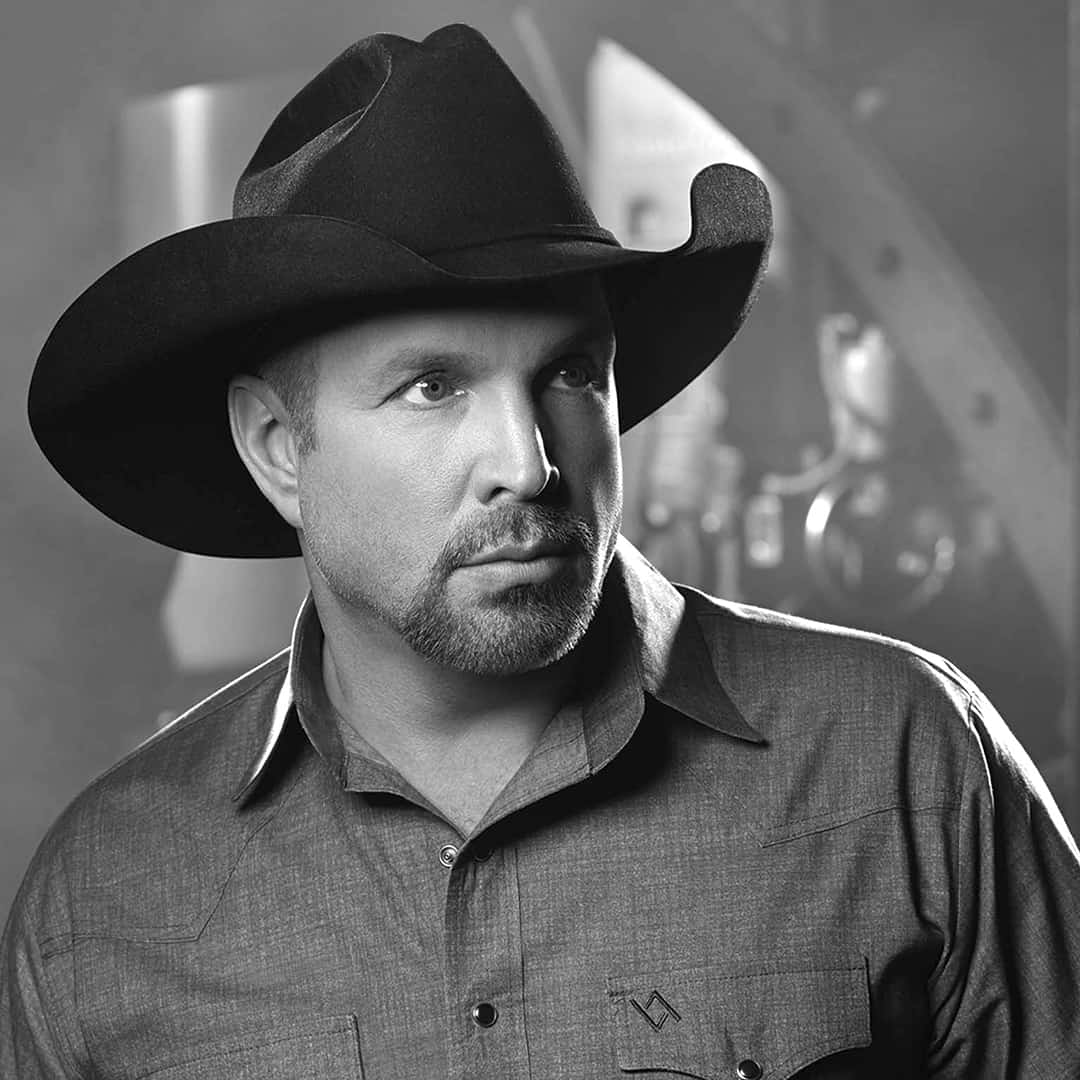
Country pop, or modern country, appeared in the 1970s and 1980s, combining traditional country sounds with polished pop production. It includes electric guitars, drums and backing vocals with catchy hooks and clear choruses. American Honky-Tonk Bar Association by Garth Brooks is a strong example of this. It blends honky-tonk energy with modern instrumentation and anthem-like choruses, creating a sound that appeals to both pop and country audiences. The lyrics celebrate community, music and working-class pride, which are central themes of Brooks’s music.
What I Think
Although these three styles sound
different, they share the same storytelling roots and emotional honesty.
Honky-tonk has a lively, straightforward energy, bluegrass is fast and full of
instrumental skill, and country pop feels polished and powerful. Personally, I
enjoy honky-tonk for its humour and character, especially songs like A Boy
Named Sue that mix comedy with a strong rhythm. I also like bluegrass because
of its energy and teamwork between musicians, while country pop feels more
anthemic and modern.
Individual Practice and Preparation
What practical preparation did you do
before playing the song?
Before performing the country songs,
my first step was to listen carefully to the original versions of A Boy Named
Sue by Johnny Cash, Salty Dog Blues by Flatt and Scruggs, and American Honky
Tonk Bar Association by Garth Brooks. I studied each song’s tempo, structure
and vocal style to understand how they represent different sides of country
music.
We were told to prepare all three
songs but would not know which one we would perform until the final workshop.
Because of that, I had to make sure I could play or sing confidently in each.
For A Boy Named Sue and American Honky Tonk Bar Association, I focused on piano
practice, working on rhythm and steady chord playing. Both songs have quick
changes and a strong storytelling rhythm, so timing was really important. For
Salty Dog Blues, I focused more on singing, since it has a fast tempo and
bluegrass-style phrasing.
I also printed out the lyrics and sang
along with the original tracks to improve my timing and accent. Country lyrics
tell stories, so I tried to make to sound natural and expressive
rather than just reading the words.
What musical preparation did you do?
For musical preparation, I worked on
both piano and vocal parts. On piano, I practised keeping a strong left-hand
rhythm and adding light syncopation in the right hand to match the typical
country feel. I tried to make sure my playing supported the vocals and didn’t
overpower them.
For vocals, I listened to how each
artist performed Johnny Cash’s deep, storytelling tone, Flatt and Scruggs’
high bluegrass harmonies, and Garth Brooks’ energetic honky-tonk sound. I
practised matching their phrasing and recorded myself to check pitch and
timing. Since I didn’t know which song I would get, I aimed to be ready for any
of the three by rehearsing a few times each day and switching between singing
and playing.
How did you help to develop the song?
Because we didn’t know who we would be
working with, I focused on developing my individual part so I could fit easily
into any band setup. I worked on making my piano part clear and steady, ready
to support others if I played accompaniment. I also practised keeping my timing
strong so that I could follow or lead depending on what role I was given.
If I was singing, I worked on phrasing
and energy so my performance would still sound confident and expressive even if
I was with a new group of musicians.
What role did you take in the band?
Since the bands were not decided
during preparation, I prepared for two possible roles pianist or vocalist.
For A Boy Named Sue and American Honky Tonk Bar Association, I focused mainly
on piano because of the strong rhythm and storytelling structure. For Salty Dog
Blues, I prepared to sing, as it suited my voice and had more vocal
interaction.
In the final performance, I ended up
playing piano for A Boy Named Sue .
It was a bit challenging because the chords changed quickly and the tempo kept
moving, but I tried to stay focused and keep in time.
Rehearsal and Development
What kind of performance situation was
this?
This performance was a class task. We had to prepare three country songs, and at the end, we would be
randomly given one to perform. We didn’t know who would be in our band until
the day, which made it important to prepare individually and be flexible. The
aim was to show that we could adapt quickly and still perform confidently in a
live situation.
What were the stylistic traits for the other players and instruments in a country band?
Typical instruments in a country band
include drums, bass, guitar and sometimes piano or fiddle. The drummer usually
plays a steady two-step rhythm, the bass keeps a strong root-fifth pattern, and
the guitar adds strumming or picking to fill the harmony. The piano often keeps
a rhythmic backing or plays light fills between vocal lines. Vocals are usually
clear and storytelling-focused, with harmonies that add warmth and energy.
How did you decide on your aims and objectives?
Since I didn’t know who I would be
working with, my aims were to be fully prepared for each song and confident in
my part. I wanted to make sure I understood the style and feel of each song, so
I could blend quickly with any group. My main objectives were to keep good
timing, clear chord playing, and expressive phrasing in both piano and vocals.
Give two examples of how you listened to each other’s opinions.
Once the groups were chosen, we
discussed ideas for how to start and end the song. One example was deciding how
long the instrumental intro should be we tried a few options and agreed to
keep it short and clear. Another example was balancing the volume between
instruments and vocals, especially when I played piano, so that the singing
could still be heard clearly.
How did you decide on the order of solos, cues, key, lyrics, arrangement and improvisation?
The songs stayed in their original
keys to keep the traditional country sound. Cues were mainly given through eye
contact and small head movements during rehearsal and performance. Since
country songs are usually simple and narrative, we didn’t add much
improvisation instead, we focused on clear structure and storytelling.
Instrumental fills were short, often between verses or at the end of phrases,
to keep the energy flowing.
Country Band Performance
From this performance, you can see how we adapted to the country style and worked together even without much rehearsal time. Each of us prepared individually but managed to blend quickly as a group. The result showed a clear understanding of the different country styles from storytelling in A Boy Named Sue to bluegrass energy in Salty Dog Blues and honky-tonk drive in American Honky Tonk Bar Association.
American hints Toni bar association.m4a
These are my own practices on piano in each song .


Comments
Post a Comment