The Musical Characteristics of Folk Music
The Musical Characteristics of Folk
Music
What are the musical characteristics
of folk?
The musical characteristics of folk
music are based on simplicity, storytelling and strong links to cultural and
regional identity. Folk songs are often passed down through oral tradition,
meaning they evolve naturally over time as they are differently understood generations.
The melodies are usually diatonic, using major or minor scales with limited
chromaticism and are memorable and easy to sing. The rhythm is steady and clear
in simple time signatures such as 2/4, 3/4 or 4/4, making the songs suitable
for dancing or group singing.
Folk harmony is typically
straightforward, built on primary chords such as I, IV and V, which support the
vocal melody without overpowering it. In some styles, drones or modal harmonies
are used, especially in older traditional music. The texture is usually
homophonic, with a clear melody line supported by chordal or rhythmic
accompaniment, although unaccompanied singing is also common in many folk
traditions.
Instrumentation varies depending on
region, but acoustic instruments such as guitar, banjo, fiddle, accordion,
mandolin and bodhrán are often used. Vocals are central to the style, and
singers often use natural, untrained tones that prioritise expression and
storytelling over technical perfection. Ornamentation such as slides, grace
notes and subtle pitch bends add a distinctive regional flavour. The lyrics are
typically narrative, telling stories about everyday life, work, love, travel
and history.
A well-known example of traditional
folk is “New York Girls”, a sea shanty that originated in the 19th century
among sailors. The song uses a lively rhythm in 6/8 time and tells a humorous
story of sailors being tricked by women in the port of New York. The melody is
repetitive and easy to remember, encouraging group singing, while the
call-and-response structure reflects its communal roots. The use of concertina,
fiddle and steady rhythm creates an upbeat, dance-like feel typical of maritime
folk songs.
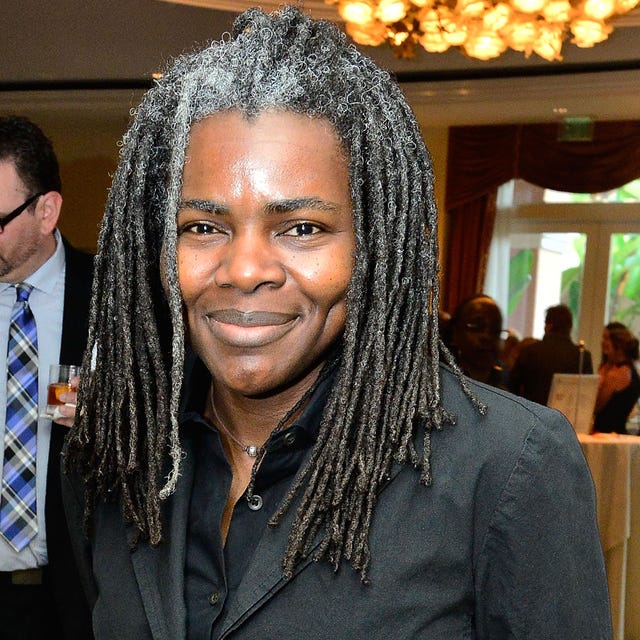
Three Major Subgenres
Traditional Folk

Folk Rock
.jpg)
Contemporary Folk
What I Think
Although traditional, folk rock and
contemporary folk differ in sound, they all share the same foundation of
storytelling, simplicity and emotional honesty. Traditional folk like New York
Girls captures the communal and historical spirit of working people, while folk
rock gives that tradition more energy and modern instrumentation. Contemporary
folk, on the other hand, feels more personal and reflective, speaking directly
to today’s listeners. Personally, I find traditional folk fascinating for its
connection to history and community, but contemporary folk resonates most with
me because of its emotional honesty and storytelling depth.
The evolution of folk music tells the
story of people their struggles, dreams and identities through changing
times. From the old sailing songs like New York Girls to the poetic lyrics of
modern songwriters, folk continues to express the voice of everyday life,
showing how music can preserve culture, share experience and bring people
together.
Individual Practice and Preparation
Folk Music: New York Girls
What practical preparation did you do before playing the song?
Before performing New York Girls, I listened carefully to different versions of the song to understand its traditional folk style and sea shanty rhythm. I was using the electric piano and tried to create the sound of an accordion by playing bass chords to give it a lively and folk-inspired feel. To achieve the right tone, I had to set up the sound with help from my teacher and make sure everything ran smoothly before the performance.
It was my first time playing with the whole class, so I felt quite nervous and worried about making mistakes. During one rehearsal, there was a quiet section meant to let the vocals stand out, but I accidentally kept playing through it instead of stopping. I realised this afterwards and made sure to correct it before the final performance.
This time, instead of forming full bands, we separated into smaller groups to practise specific parts such as melody, rhythm, and vocals. This method worked well because everyone could focus on their section and then combine them later. Once we brought the parts together, the performance ran quite smoothly overall.
What musical preparation did you do?
For musical preparation, I focused on matching the traditional folk style of New York Girls. On the electric piano, I worked on maintaining a steady left-hand rhythm while using my right hand to play chords that imitated the push and pull sound of an accordion. I practised keeping a strong pulse, as folk music often relies on clear rhythm to support group singing.
I also paid attention to the phrasing of the vocals. The lyrics tell a lively story, so I tried to match the energy and pace of traditional sea shanties. I practised along with recordings to get used to the accent, rhythm, and timing of the folk singing style.
How did you help to develop the song?
Because this was a large group performance, we developed the song by focusing on teamwork and combining our different instrumental and vocal sections. I helped by keeping my piano part steady so that others could stay in time. I also made sure my chords supported the melody without being too loud or overpowering.
When we rehearsed, I suggested that we make the quieter parts clearer to highlight the storytelling in the vocals, as this is a key feature of folk music.
What role did you take in the band?
My main role in this performance was as the pianist, providing rhythmic and harmonic support. I used the electric piano to imitate the accordion sound, which gave the song a more authentic folk character. Since there were many people performing, I focused on listening carefully to stay in time and support the group dynamics.
Even though I made a small mistake during rehearsal, I learned how important it is to stay aware of changes in dynamics and to listen closely to other performers. By the final performance, I felt much more confident and in control of my part.
Rehearsal and Development
What kind of performance situation was this?
This was a class performance. Instead of forming small bands, we split into different sections such as melody, rhythm and vocals, and rehearsed our parts separately before putting them together. The goal was to recreate a traditional folk sound as a large group and to understand how folk songs are built from simple repeated patterns that come together to form a full arrangement.
What were the stylistic traits for the other players and instruments in a folk ensemble?
Typical instruments in a folk ensemble include guitar, fiddle, flute, percussion and accordion. The rhythm section usually keeps a steady beat, while melodic instruments add ornamented lines and counter melodies. The vocals are often performed in a storytelling style, sometimes with group singing or call and response. In New York Girls, the focus was on clear storytelling and a lively rhythm to match the upbeat shanty feel.
How did you decide on your aims and objectives?
My aims were to develop confidence performing in a large group and to understand how folk music works as a collective style. I wanted to improve my timing and focus on listening carefully to others, especially during sections where instruments drop out. My objectives were to make my piano part steady, blend with the ensemble, and create a convincing folk sound using the electric piano.
Give two examples of how you listened to each other’s opinions.
One example was when we discussed how to balance the dynamics between the instruments and vocals. We agreed to make the accompaniment quieter during verses so the storytelling could stand out. Another example was when we talked about tempo. Some wanted to play faster, but we decided on a moderate pace to keep it easier for everyone to stay together.
How did you decide on the order of solos, cues, key, lyrics, arrangement and improvisation?
The arrangement followed the traditional structure of New York Girls, keeping the original lyrics and key. We used eye contact and small gestures as cues for entries and dynamic changes. There wasn’t much improvisation because folk music usually focuses on group unity and storytelling, but we added small instrumental fills between verses to make the performance more engaging.
From this performance, you can see how we worked together to recreate the traditional folk style. Even though I was nervous and made a few small mistakes during rehearsal, I learned a lot about playing in a larger group and keeping in time with others. The combination of melody, rhythm and vocals worked well, and using the electric piano to imitate an accordion sound added a lively folk character to New York Girls.
Self practice for New York girls.m4a


Comments
Post a Comment